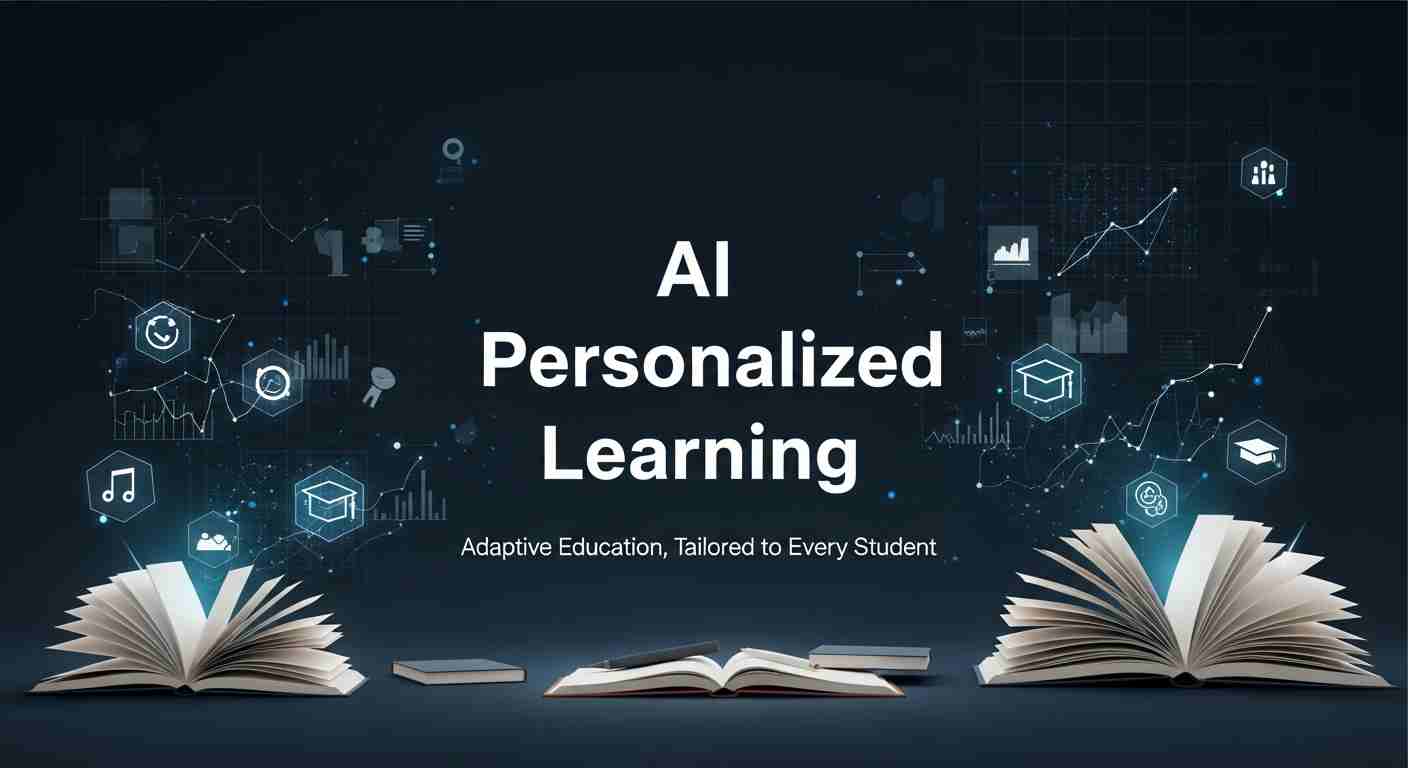
Education in 2026 is evolving rapidly as educators recognize that every student learns differently. Traditional one-size-fits-all teaching models can no longer meet the needs of diverse learners, especially in classrooms that combine in-person, remote, and hybrid learning environments.
AI-powered personalized learning and adaptive learning tools are transforming education by tailoring instruction to individual student needs. Using machine learning, natural language processing, and predictive analytics, AI systems customize content, track progress, and optimize learning outcomes at scale.
This guide explores 10 leading AI tools for personalized learning in 2026, including real-world use cases, key features, and implementation insights for educators and institutions.
Introduction
Modern education systems face several challenges:
- Students learn at different speeds and skill levels
- Teachers have limited time for individualized attention
- Remote and hybrid learning models require flexibility
- Educators need data-driven insights into student performance
AI in education addresses these issues by creating adaptive learning pathways, delivering real-time feedback, analyzing learning data, and increasing engagement through personalized content.
When implemented effectively, AI tools help educators improve learning outcomes while reducing administrative workload.
Understanding AI Personalized Learning
What Is AI Personalized Learning?
AI personalized learning uses intelligent algorithms to adapt instructional content, pacing, and assessments for each student. Unlike traditional education models, AI-powered systems dynamically adjust learning paths based on student performance and behavior.
Key benefits include:
- Individualized instruction at scale
- Higher student engagement and motivation
- Early identification of learning gaps
- Data-driven instructional decisions
How AI Works in Education
AI-driven educational platforms rely on several core technologies:
- Machine Learning to predict learning needs and outcomes
- Natural Language Processing (NLP) to evaluate written responses and essays
- Predictive Analytics to forecast performance and recommend interventions
- Intelligent Tutoring Systems to provide real-time guidance
Together, these technologies enable more responsive and effective learning experiences.
Top AI Applications in Personalized Learning
1. Adaptive Learning Platforms
Adaptive learning platforms adjust content difficulty and learning sequences in real time based on student performance.
Tools:
Knewton and Smart Sparrow are widely used adaptive learning platforms for personalized coursework.
Use Case:
A high school using Knewton enabled students in STEM courses to progress at their own pace, improving mastery levels by 35 percent compared to traditional instruction.
2. Intelligent Tutoring Systems
Intelligent tutoring systems provide personalized guidance, feedback, and practice recommendations outside regular classroom hours.
Tools:
Squirrel AI and Carnegie Learning deliver AI-driven tutoring for math and STEM education.
Key Benefit:
Students receive continuous, individualized support even beyond school hours.
3. AI-Powered Assessment Tools
AI assessment platforms automate grading while delivering detailed insights into student understanding.
Tools:
Gradescope and Turnitin Feedback Studio streamline grading and feedback processes.
Use Case:
A university reduced grading time for large courses by 60 percent, allowing instructors to focus on personalized feedback and interventions.
4. Learning Analytics and Progress Tracking
AI learning analytics platforms monitor engagement, predict outcomes, and identify students who need additional support.
Tools:
Civitas Learning and EdSential Analytics help institutions track performance and improve retention.
Key Benefit:
Early intervention reduces dropout rates and improves student success.
5. AI Chatbots for Student Support
AI-powered chatbots provide instant answers, guidance, and learning assistance.
Tools:
Jill Watson and Duolingo AI support students through conversational learning.
Use Case:
Language learners using Duolingo AI experienced a 25 percent increase in engagement through real-time conversational practice.
6. Personalized Content Recommendations
AI recommends learning materials based on student progress, interests, and learning style.
Tools:
Querium and Century Tech deliver personalized content across STEM subjects.
Key Benefit:
Improved comprehension and long-term retention.
7. AI-Driven Curriculum Design
AI supports educators in sequencing curriculum and designing optimized learning paths.
Tools:
Thinkster Math and Otus help schools align instruction with student performance data.
Use Case:
Schools using Otus improved standardized test scores by 15 percent through better curriculum alignment.
8. Gamified Personalized Learning
AI-enhanced gamification adapts challenges and rewards to each student’s skill level.
Tools:
DreamBox and Kahoot! AI create engaging, personalized learning experiences.
Key Benefit:
Gamification increases motivation and sustained participation.
9. Predictive Intervention and Remediation
AI predicts academic risk and recommends targeted interventions before students fall behind.
Tools:
Clever and LearnPlatform support proactive student intervention.
Use Case:
Schools using Clever reduced course failure rates by 20 percent through early identification of learning gaps.
10. AI for Teacher Professional Development
AI tools also support educators by analyzing teaching effectiveness and recommending professional development.
Tools:
TeachFX and Edthena provide AI-powered coaching and classroom insights.
Key Benefit:
Improved teaching practices lead to better student outcomes.
Real-World Use Cases
- K–12 education improving subject mastery through adaptive learning
- Higher education scaling personalized instruction across diverse student cohorts
- Corporate training optimizing employee skill development
- Online learning platforms increasing engagement and course completion rates
How to Choose the Right AI Learning Tools
When selecting AI tools, educators should evaluate adaptive learning capabilities, LMS compatibility, usability, measurable impact on student outcomes, and long-term vendor support.
Challenges and Limitations
AI personalized learning depends on high-quality data, raises equity and access concerns, and requires transparency in algorithmic decision-making. Over-personalization may also limit collaboration if not balanced properly.
Future Trends Beyond 2026
Emerging trends include hyper-personalized micro-learning, multilingual AI classrooms, integration with AR and VR, lifelong learning pathways, and collaborative AI learning environments.
Frequently Asked Questions
What is AI personalized learning?
AI personalized learning adapts instruction to individual students using data-driven algorithms.
How do adaptive learning tools work?
They continuously adjust content and assessments based on student performance.
Can AI improve student engagement?
Yes, through personalization, gamification, and real-time feedback.
Which AI tools are best for personalized learning?
Knewton, Smart Sparrow, and Squirrel AI are among the leading platforms.
Will AI replace teachers?
No. AI supports teachers by automating tasks and providing insights, not replacing human instruction.
Conclusion
AI-powered personalized learning is redefining education in 2026. By combining adaptive learning tools with human teaching expertise, institutions can deliver individualized instruction at scale, improve student engagement, and make data-driven educational decisions.
The future of education lies in the intelligent collaboration between AI systems and educators.